


Military life teaches you to live with change. New duty stations. New routines. New rhythms every few years. In the middle of all that transition, our cats become part of the emotional anchor of home. They claim the windowsill in every house, inspect every moving box, and somehow make unfamiliar spaces feel lived in. That quiet presence is easy to take for granted until you realize just how much comfort it brings, which is why protecting their hearts feels so personal.
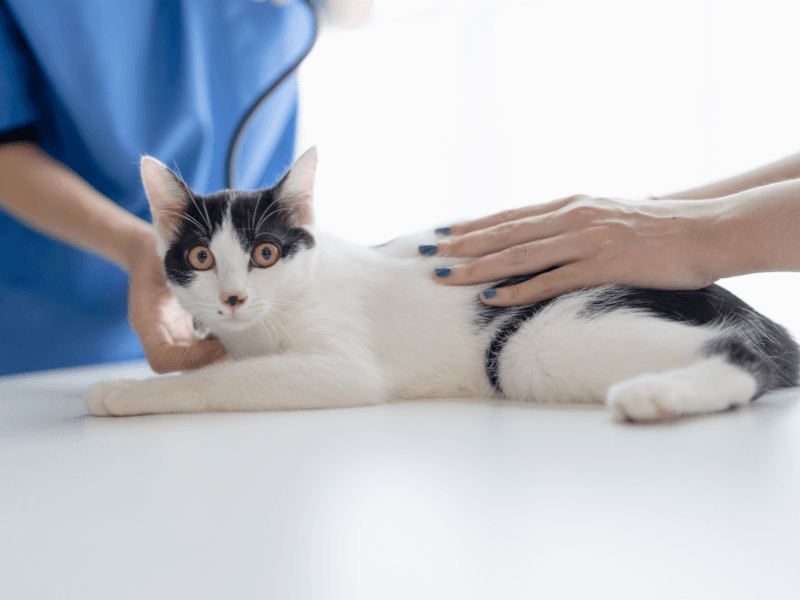
The hard truth is that heart disease in cats is often silent. They do not always cry out or show obvious signs. Cats are wired to hide weakness, and sometimes the first hint that something is wrong is subtle. Maybe they are sleeping a little more than usual. Maybe they are not finishing their food with the same enthusiasm. Maybe their breathing seems slightly quicker after play. Small shifts that are easy to miss when you are balancing military schedules, school pickups, field exercises, and everything in between.
Heart conditions like hypertrophic cardiomyopathy can develop quietly, thickening the heart muscle and making it harder for the heart to function properly. It sounds scary, and it can be...but early awareness changes everything. Paying attention to patterns, especially the ones we do not always think about, can help you catch concerns sooner rather than later.
One of the most overlooked indicators of health is the litter box. It might not be glamorous, but it tells a story. Changes in frequency, noticeable weight fluctuations, or shifts in routine can sometimes be the first clue that something feels off. When a cat is not feeling well, their habits often change before their behavior does.
Some families choose to use tools that help them keep track of those patterns more consistently. Devices like the Purina Petivity litter box monitor can quietly log weight trends and litter box activity over time, giving you a clearer picture of what is normal for your cat. It is not about turning your home into a clinic or obsessing over data. It is simply another way to notice changes earlier, especially during seasons of life when everything else feels busy.
Supporting heart health also looks like the simple, steady things. Keeping your cat at a healthy weight. Scheduling regular vet visits, especially as they age. Creating calm spaces during PCS moves. Maintaining familiar routines as much as possible. Offering enrichment and gentle play to keep their bodies moving and their stress levels lower.
Our cats may be small, but their presence fills our homes in big ways. They sit beside us during late-night packing sessions. They curl up next to us after long days apart. They adapt to each new chapter with a resilience that mirrors our own. Caring for their hearts is not about worry. It is about awareness. It is about noticing the quiet details and choosing to be proactive. In a life defined by movement, their steady purr is a reminder that some things are worth protecting with intention, and that tiny heartbeat, steady and loyal, deserves nothing less.
Explore More with My Military Lifestyle and Pets!



No comments yet. Be the first!