

Previous Post
Fireworks and Dogs—Preventing A Meltdown
Posted on December 10, 2025 by Kevin Findley
It is a very rare dog that doesn’t get spooked whenever New Year’s Eve rolls around and the fireworks start. Even one unexpected boom, especially if you’re out for a walk, can cause the toughest, fully-grown Great Dane to react like a month-old puppy. That’s fine until your 140-pound puppy insists on being carried home.
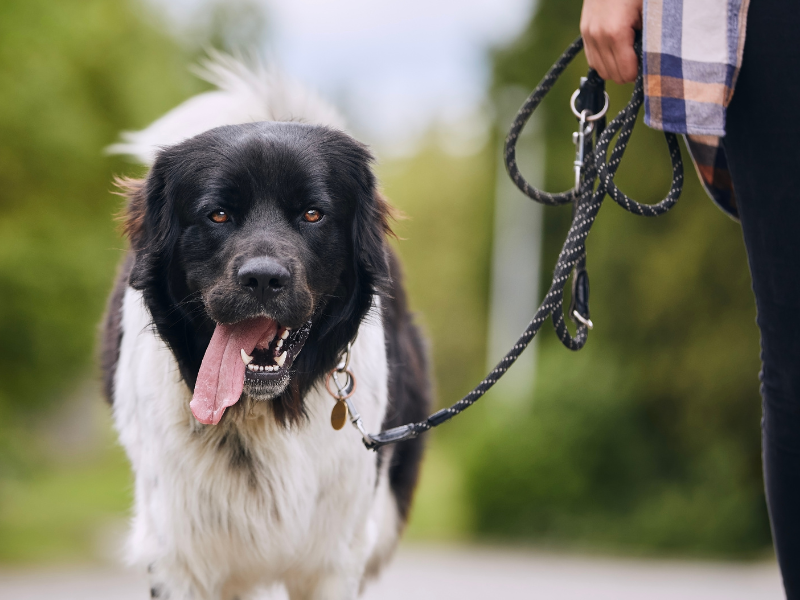
Fortunately, there are quite a few actions you can take to protect your canine buddy. They involve training and exercise, safe spaces, and special clothing and medication to reassure your pet on New Year’s Eve.
Training and Exercise – Getting in Front of the Problem:
- Desensitize: Help your pup by playing a fireworks show from the 4th of July on your TV, phone, or tablet at low-volume. Carefully increase the volume and reward your dog each time he calms down.
- Counterconditioning: Pair the fireworks sounds with a good play session to build positive associations. A nice treat at the end of the session doesn’t hurt either.
- Final Preparations: Walk your dog in the morning or afternoon before the fireworks start. Keep a firm grip on the leash to prevent bolting and be prepared to cut the walk short if a neighbor begins setting them off early.
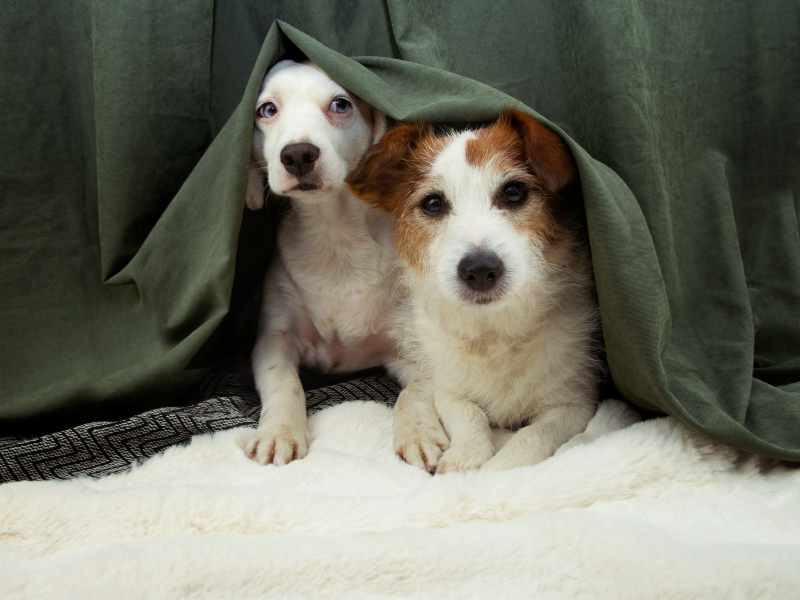
Safe Space – A Place to Curl Up and Hide:
- Create a Quiet Room: bathrooms are great because they have only one window and are often better insulated than other parts of a house or apartment.
- Other Sounds: Play soft music or some other kind of background white noise to cover the sound of the fireworks.
- Adjust Surroundings: If you are in a bedroom or living room, close the curtains and blinds to block out flashes of light and help muffle sounds.
- Support Items: Create a nest of your dog’s favorite blankets, towels, and even a shirt or blouse that smells like you. A sturdy chew toy will help too.
Calming Gear and Medication – Use Carefully:
- Anxiety Vests: These apply gentle, steady pressure. They soothe your dog similar to how a hug from you calms him down when stressed. Make sure you don’t put it on too tight, though.
- Medications: Meds for severe anxiety can help some dogs, but you should always have your pup checked out by your veterinarian first. The same applies before using over-the-counter drugs or supplements.
If you have used these actions in the past to less than excellent results, please contact your veterinarian for further help. If your dog has gone through formal training, a call to his trainer might also be useful. You know your dog better than anyone, so if you think it’s better to snuggle with him at midnight than to eyeball a stranger for an awkward kiss, go right ahead.
Explore More with My Military Lifestyle and Pets!
Next Post
Written by

More Military Life Posts