
Previous Post
Operation Publication: How to Get Started as a Writer — No Matter What You Want to Write
Posted on January 9, 2026 by Jenn D
Whether you dream of writing children’s books, adult fiction, memoirs, devotionals, or practical non‑fiction, the first step is the same: you start with a story, a message, or a moment that matters to you. Writing isn’t about having the perfect idea — it’s about taking the first small step and letting the process grow from there.
Here’s a simple, approachable way to begin…
1. Start With What You Know or What You Love:
You don’t need a degree in creative writing (or anything!) to begin. Start with:
- A lesson you’ve learned
- A story you’ve lived
- A topic you’re passionate about
- A problem you want to help someone solve
- A world or character you can’t stop thinking about
Your life’s experience, whether as a military member or spouse, is already rich with material.
2. Keep It Simple: Write a Short Draft First
Don’t start with a 300‑page novel. Start with:
- A one‑page story
- A short scene
- A simple outline
- A list of ideas
- A paragraph describing your message
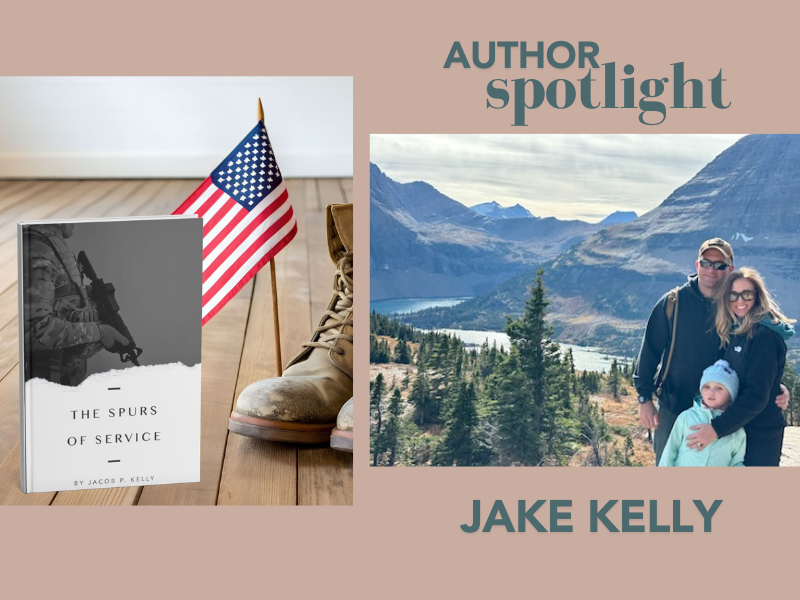
Small beginnings remove the pressure and build momentum. My first “book” wasn’t a real book, just a story I wrote as a gift for a friend’s little girl’s upcoming 7th birthday, and how she wanted to spend it. I wrote it using Word, added some AI-generated images, and then converted it into a Kindle-friendly PDF.
3. Read in the Genre You Want to Write
If you want to write:
- Children’s books — read picture books and chapter books
- Adult fiction — read novels in your preferred genre
- Non‑fiction — read books that teach, inspire, or explain
Reading widely helps you understand pacing, tone, structure, and what resonates with readers.
4. Join a Community — You Don’t Have to Do This Alone
Writing can feel isolating, especially during deployments or PCS moves. But there are vibrant communities where you can learn, share, and grow:
- Facebook writing groups
- Local base libraries or spouse clubs
- Online critique groups
- Writing workshops
- Faith‑based or genre‑specific writing communities
Community gives you accountability, encouragement, and feedback. There are also many YouTube videos available on all aspects of writing and publishing. You can gain a lot of knowledge and inspiration in a few minutes at a time.

5. Explore Your Publishing Options (More Than Just KDP)
I use Amazon’s Kindle Direct Publishing (KDP) as it’s what I learned about first, but it’s not the only path. Here are other avenues to consider:
Self‑Publishing Platforms
- IngramSpark — wider bookstore distribution than KDP
- Barnes & Noble Press — print and eBook options
- Draft2Digital — distributes eBooks to multiple retailers
- Lulu — great for workbooks, journals, and specialty formats
Traditional Publishing (For those who want a more curated, long‑term path)
- Submit to literary agents
- Pitch directly to publishers that accept submissions
- Enter writing contests
- Attend writing conferences
Traditional publishing takes longer, but offers editorial support and a broader reach.
Hybrid Publishing (A middle ground between self‑publishing and traditional)
- You pay for certain services (editing, design, marketing)
- They provide professional support and distribution
- You retain more control than in traditional publishing
Digital‑Only or Blog‑to‑Book Paths (Ideal for spouses seeking flexibility)
- Publish serialized fiction on platforms like Wattpad or Kindle Vella
- Turn blog posts into a book
- Create downloadable PDFs or eBooks for your own website
- Build a newsletter audience and release chapters over time
Educational & Niche Publishing (Especially relevant for your financial education background)
- Curriculum publishers
- Faith‑based publishers
- Military family resource organizations
- Nonprofits looking for children’s or educational content
There are far more opportunities than most new writers realize.

6. Explore Tools to Help – Don’t be Afraid of AI
One of the best parts about getting started as a writer today is the number of free tools available to help you brainstorm ideas, polish your writing, and even create simple images or mock‑ups. You don’t need expensive software or a professional studio to begin. Free AI tools such as Copilot and ChatGPT can help you generate story ideas, outline chapters, or overcome writer’s block. Platforms like Google Docs and Grammarly offer no‑cost editing support to tighten your sentences and catch mistakes. For visuals, there are free design tools such as Canva that allow you to create simple illustrations, concept art, or book cover drafts to help you visualize your project. Free images can be found at Pixabay and Unsplash. These tools don’t replace your creativity; they amplify it, making the writing process more accessible and less intimidating for anyone, especially busy military spouses juggling unpredictable schedules.
7. Don’t Wait for Confidence — Start with Curiosity or an Idea
Most writers don’t feel “ready” when they begin. I didn’t, but started anyway. Writing is a skill that grows, not necessarily a talent you must already have. I’ve not published my earlier efforts as I feel they are not quite ready, but I will keep going back and tweaking until they are.
Don’t forget to check out the whole Operation Publication series to help you get started on your journey as an author!
Explore More with My Military Lifestyle and Crafts!
Next Post
Written by

More Military Life Posts