

Previous Post
VSO 101 – Applying for Death Benefits: Burial and Funeral Costs
Posted on January 6, 2026 by Kevin Findley
This blog is directed to the families of Veterans, specifically the benefits available for burial and funeral costs after the death of their spouse, parent, or other family member. All of this information, and more, is available at the VA website.
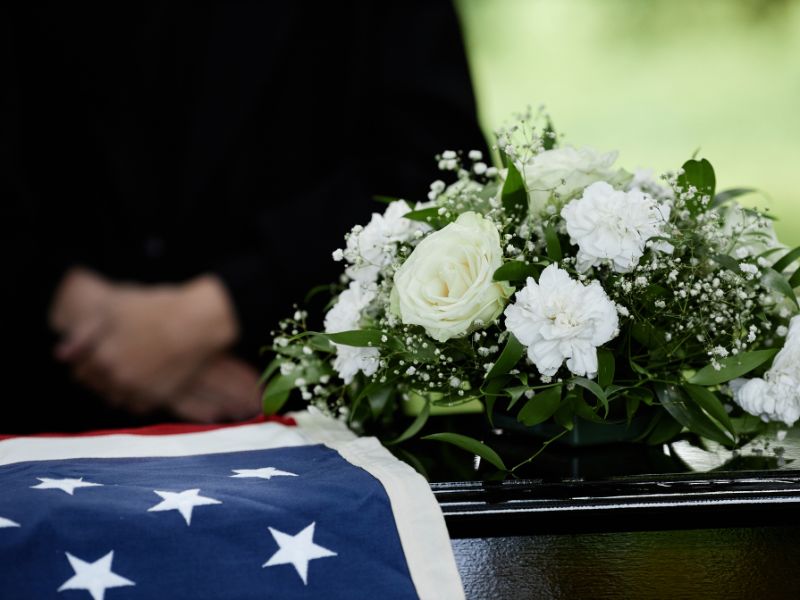
First, here are the burial and funeral benefits available if you are eligible:
- A burial allowance for burial and funeral costs
- A plot or interment allowance for the cost of the plot (gravesite) or interment
- Transportation reimbursement for the cost of transporting the Veteran’s remains to the final resting place
The VA provides burial benefits for all legal burial types, including cremation and burial at sea. It also helps cover the costs of donating the Veteran’s remains to a medical school.
Okay, let’s examine eligibility…If you are the person covering these costs and another government agency or the Veteran’s employer is not going to reimburse you, then the answer is maybe. It changes to yes if you are connected to the Veteran in one of these roles.
- You are the Veteran’s surviving spouse.
- You are the surviving partner from a legal union (a relationship made formal in a document issued by the state recognizing the union).
- You are a surviving child of the Veteran.
- You are a parent of the Veteran.
- You are the executor or administrator of the Veteran’s estate (someone who officially represents the Veteran).
- You are a family member or friend who isn’t the executor of the Veteran’s estate.
- You are a representative from a funeral home, cemetery, or other organization.
There are criteria that the Veteran must meet at the time of their death. The primary criterion is that the Veteran cannot have received a dishonorable discharge and died under one of these conditions:
- The Veteran died as a result of a service-connected disability (a disability related to service).
- The Veteran died while getting VA care, either at a VA facility or at a facility contracted by VA
- The Veteran died while traveling with proper authorization, and at VA’s expense, either to or from a facility for an examination, or to receive treatment or care.
- The Veteran died with an original or reopened claim for VA compensation or pension pending at the time of death, and they would’ve been entitled to benefits before the time of death.
- The Veteran died while receiving a VA pension or compensation.
- The Veteran died while eligible for compensation or a VA pension at their time of death, but instead received full military retirement or disability pay.
If the Veteran does not meet one of the above conditions, there are also these two categories:
- The Veteran had been getting a VA pension or compensation when they died.
OR - The Veteran chose to receive military retirement pay rather than VA compensation.
For spouses of Veterans, make sure you are listed as the surviving spouse on the Veteran’s profile with the VA. If you are so listed and the Veteran meets the conditions or categories, the VA pays a set amount upon receiving notification of the Veteran’s death. When my father (Army Veteran) passed, my mother received the benefit check in only three weeks after notification. If she had not been listed as the surviving spouse, it would have taken twice that long, or more.

A common question about any VA benefit is ‘Do I have a time limit?’ If the Veteran’s death was service-connected, there’s no time limit to claim burial or transportation allowance. The answer is yes, however, in other circumstances:
- If the Veteran’s discharge status after their death from dishonorable to another status, you must file a burial allowance claim within 2 years after the change.
- If the Veteran’s death wasn’t service-connected, you must file a claim within 2 years after the Veteran’s burial, unless one of these is true:
- Exception 1: There’s no time limit for filing if the Veteran’s death wasn’t service-connected and they died while under VA care, either at a VA health facility or a facility contracted by VA.
- Exception 2: There’s no time limit for filing if the Veteran’s death wasn’t service-connected and you’re claiming the allowance for plot or interment, or for transportation.
When submitting a claim, start with VA Form 21-530EZ. You can fill this out online or print a copy and then mail it to the address on the form. The online process takes about 30 minutes. When filing, you’ll need the following documents:
- The Veteran’s death certificate, including the cause of death
- An itemized receipt for transportation costs (only if you paid transportation costs for the Veteran’s remains)
- A copy of the Veteran’s DD214 or other separation documents that include all of their service periods
If you don’t have their DD214 or other separation documents, you can easily request them.
If your claim is for a service-connected death, the VA recommends submitting a copy of the Veteran’s medical records. It is not required, but full access does help speed up the process. You can submit them online or by mail, or submit the forms that give the VA access to those records.
- If the Veteran was receiving care at a VA or federal health facility at the time of their death, you can submit a VA Form 21-4138 by mail or online with the VA.
- If the Veteran was receiving care at a non-VA private health facility at the time of their death,the VA will try to locate their medical records for you. As a preparatory step, every Veteran should keep an up-to-date copy of their medical records.
- If the Veteran received care at a non-VA facility, you’ll need to provide access to those records as well. There are two forms to complete to ensure the best possible results for your claim. These are the VA Form 21-4142 (Authorization to Disclose information to the VA) and the VA Form 21-4142a (General Release for Medical Provider Information to the VA).
Every state has its own veteran organization, as do many tribal nations. Please research those organizations and their benefits as you work with the VA. To learn more about applying for VA burial and funeral benefits, visit the VA website.
Looking for more information about any of your benefits with the VA? Make sure you are checking out our whole series: VSO 101!
Explore More with My Military Lifestyle and Career!
Next Post
Written by

More Military Life Posts