

Military rank structure is the hierarchical system that organizes every service member in the U.S. Armed Forces by authority, responsibility, and pay. Every member of the Army, Marine Corps, Navy, Air Force, Space Force, and Coast Guard fits into one of three categories: enlisted, warrant officer, or commissioned officer. Each category has its own progression of pay grades, its own promotion path, and its own role in mission execution.
The three categories are not parallel paths, they serve different purposes. Enlisted personnel form roughly 82% of the force and carry out the technical, operational, and combat work of the military. Warrant officers (where they exist) are deep technical specialists, often pulled from the enlisted ranks for specialized expertise. Commissioned officers, about 18% of the force, are generalists trained to lead units, make strategic decisions, and command operations.
While the pay grade system is shared across all branches (an E-5 earns the same base pay whether they serve in the Army or the Coast Guard), rank titles, traditions, and insignia differ significantly. A Sergeant in the Army and a Petty Officer Second Class in the Navy hold the same pay grade and similar leadership responsibility, but their uniforms, insignia, and service cultures are very different. The same title can even mean different grades: a Staff Sergeant is an E-6 in the Army and Marine Corps but an E-5 in the Air Force.
Pay grades like E-4, W-2, or O-5 standardize pay across all six branches. The letter shows the category (E = enlisted, W = warrant officer, O = commissioned officer), and the number shows seniority within that category.
Two service members at the same pay grade earn the same base pay, regardless of branch or rank title, which makes pay grade the cleanest way to compare ranks across services.
Rank is the title a service member holds within their branch, such as Sergeant, Petty Officer Second Class, or Staff Sergeant. It carries authority, precedence, and often a specific role.
Two members at the same pay grade can hold different ranks: an Army Corporal and an Army Specialist are both E-4, but the Corporal is an NCO and outranks the Specialist. The Navy and Coast Guard call enlisted ranks "rates" and call a sailor's job a "rating."
Enlisted service members carry out the technical, operational, and combat work of the U.S. military. Enlisted careers move through three broad tiers: junior enlisted, noncommissioned officers (called petty officers in the Navy and Coast Guard), and senior enlisted leaders. Each branch draws the lines between those tiers a little differently, so the pay grades on each card are general ranges. The table below the cards shows exactly where each branch places them.
| GRADE | ARMY | MARINES | NAVY | AIR FORCE | SPACE FORCE | COAST GUARD |
|---|---|---|---|---|---|---|
| E-1 | Private | Private | Seaman Recruit (SR) | Airman Basic | Specialist 1 (Spc1) | Seaman Recruit (SR) |
| E-2 |  Private (PV2) |  Private First Class (PFC) |  Seaman Apprentice (SA) |  Airman (Amn) |  Specialist 2 (Spc2) |  Seaman Apprentice (SA) |
| E-3 |  Private First Class (PFC) |  Lance Corporal (LCpl) |  Seaman (SN) |  Airman First Class (A1C) |  Specialist 3 (Spc3) |  Seaman (SN) |
| E-4 |  Corporal (CPL) |  Corporal (Cpl) |  Petty Officer Third Class (PO3) |  Senior Airman (SrA) |  Specialist 4 (Spc4) |  Petty Officer Third Class (PO3) |
 Specialist (SPC) | ||||||
| E-5 |  Sergeant (SGT) |  Sergeant (Sgt) |  Petty Officer Second Class (PO2) |  Staff Sergeant (SSgt) |  Sergeant (Sgt) |  Petty Officer Second Class (PO2) |
| E-6 |  Staff Sergeant (SSG) |  Staff Sergeant (SSgt) |  Petty Officer First Class (PO1) |  Technical Sergeant (TSgt) |  Technical Sergeant (TSgt) |  Petty Officer First Class (PO1) |
| E-7 |  Sergeant First Class (SFC) |  Gunnery Sergeant (GySgt) |  Chief Petty Officer (CPO) |  Master Sergeant (MSgt) |  Master Sergeant (MSgt) |  Chief Petty Officer (CPO) |
 First Sergeant | ||||||
| E-8 |  Master Sergeant (MSG) |  Master Sergeant (MSgt) |  Senior Chief Petty Officer (SCPO) |  Senior Master Sergeant (SMSgt) |  Senior Master Sergeant (SMSgt) |  Senior Chief Petty Officer (SCPO) |
 First Sergeant (1SG) |  First Sergeant |  First Sergeant | ||||
| E-9 |  Sergeant Major (SGM) |  Master Gunnery Sergeant (MGySgt) |  Master Chief Petty Officer (MCPO) |  Chief Master Sergeant (CMSgt) |  Chief Master Sergeant (CMSgt) |  Master Chief Petty Officer (MCPO) |
 Command Sergeant Major (CSM) |  Sergeant Major (SgtMaj) |  Fleet/Command Master Chief Petty Officer |  First Sergeant |  Fleet/Command Master Chief Petty Officer | ||
 Command Chief Master Sergeant | ||||||
| E-9 Senior Enlisted Advisor One per service |  Sergeant Major of the Army (SMA) |  Sergeant Major of the Marine Corps (SgtMajMC) |  Master Chief Petty Officer of the Navy (MCPON) |  Chief Master Sergeant of the Air Force (CMSAF) |  Chief Master Sergeant of the Space Force (CMSSF) |  Master Chief Petty Officer of the Coast Guard (MCPOCG) |
Each branch designates one E-9 as its senior enlisted advisor, the spokesperson, and most senior enlisted leader for the entire service. These leaders advise their service's top officer and civilian leadership on matters affecting the enlisted force, including readiness, morale, training, and quality of life. Only one person holds each position at a time.


Warrant officers are highly skilled, single-track specialty officers, most of them selected from experienced enlisted personnel. They hold officer authority but remain technical experts in fields such as aviation, intelligence, cyber operations, and maintenance. They rank above all enlisted members and below O-1. A W-1 is appointed by warrant; chief warrant officers (W-2 through W-5) receive a commission.
The Army uses warrant officers most heavily, including its large corps of helicopter pilots. The Marine Corps and Navy run smaller programs; the Navy re-established the W-1 grade for cyber warrant officers in 2018. The Coast Guard uses W-2 through W-4 only. The Air Force stopped appointing warrant officers in 1959, then brought them back in 2024 for cyber and IT career fields; its first class graduated in December 2024. The Space Force does not currently use warrant officers.
| GRADE | ARMY | MARINES | NAVY | AIR FORCE | SPACE FORCE | COAST GUARD |
|---|---|---|---|---|---|---|
| W-1 |  Warrant Officer 1 (WO1) |  Warrant Officer (WO) |  Warrant Officer 1 (WO1) | |||
| W-2 |  Chief Warrant Officer 2 (CW2) |  Chief Warrant Officer 2 (CWO2) | 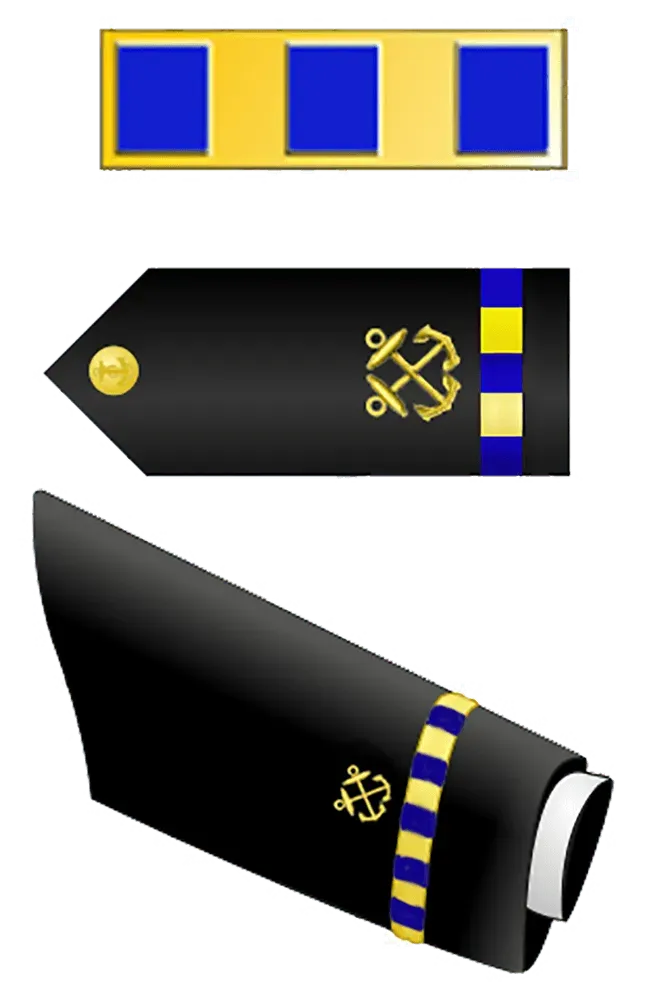 Chief Warrant Officer 2 (CWO2) |  Chief Warrant Officer 2 (CWO2) | ||
| W-3 |  Chief Warrant Officer 3 (CW3) |  Chief Warrant Officer 3 (CWO3) | 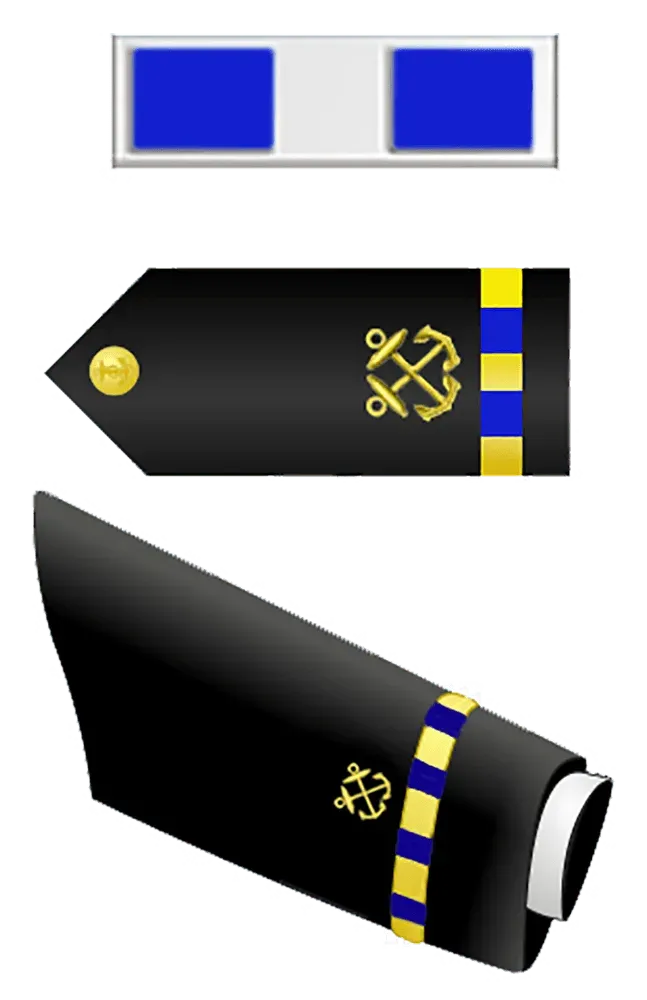 Chief Warrant Officer 3 (CWO3) |  Chief Warrant Officer 3 (CWO3) | ||
| W-4 |  Chief Warrant Officer 4 (CW4) |  Chief Warrant Officer 4 (CWO4) | 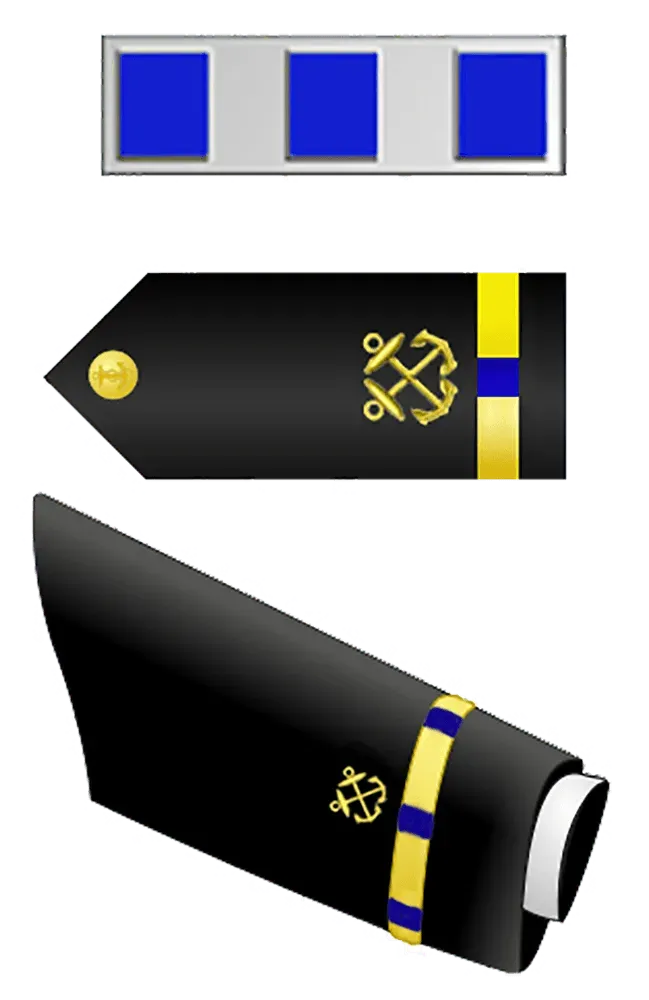 Chief Warrant Officer 4 (CWO4) |  Chief Warrant Officer 4 (CWO4) | ||
| W-5 |  Chief Warrant Officer 5 (CW5) |  Chief Warrant Officer 5 (CWO5) | 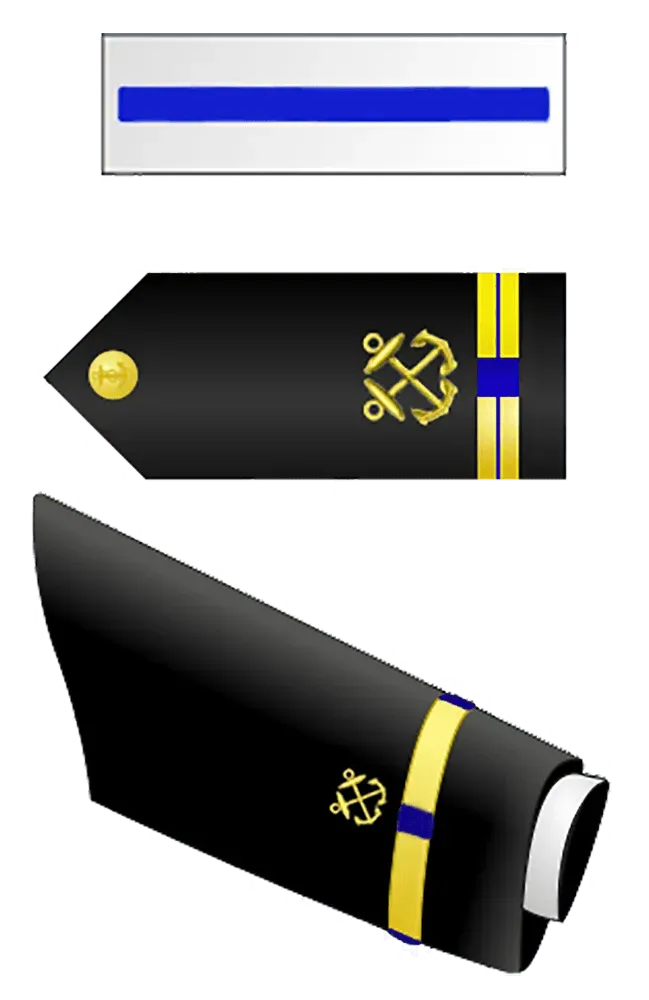 Chief Warrant Officer 5 (CWO5) |
Commissioned officers hold presidential commissions confirmed by the U.S. Senate. They are the generalists of the military, trained to lead units, plan missions, and make strategic decisions across any assignment they receive. Officer careers progress through three groupings based on pay grade and level of command: company grade (O-1 to O-3), field grade (O-4 to O-6), and general or flag officers (O-7 and above).
Officer rank names diverge most between the sea services and the rest. The Navy and Coast Guard use a distinct naming system (Ensign, Lieutenant, Commander, Captain, Admiral), while the Army, Marine Corps, Air Force, and Space Force share the lieutenant-through-general progression. Watch for the "Captain" trap: an Army, Marine, Air Force, or Space Force Captain is an O-3, but a Navy or Coast Guard Captain is an O-6.
| GRADE | ARMY | MARINES | NAVY | AIR FORCE | SPACE FORCE | COAST GUARD |
|---|---|---|---|---|---|---|
| O-1 |  Second Lieutenant (2LT) | Second Lieutenant (2ndLt) | 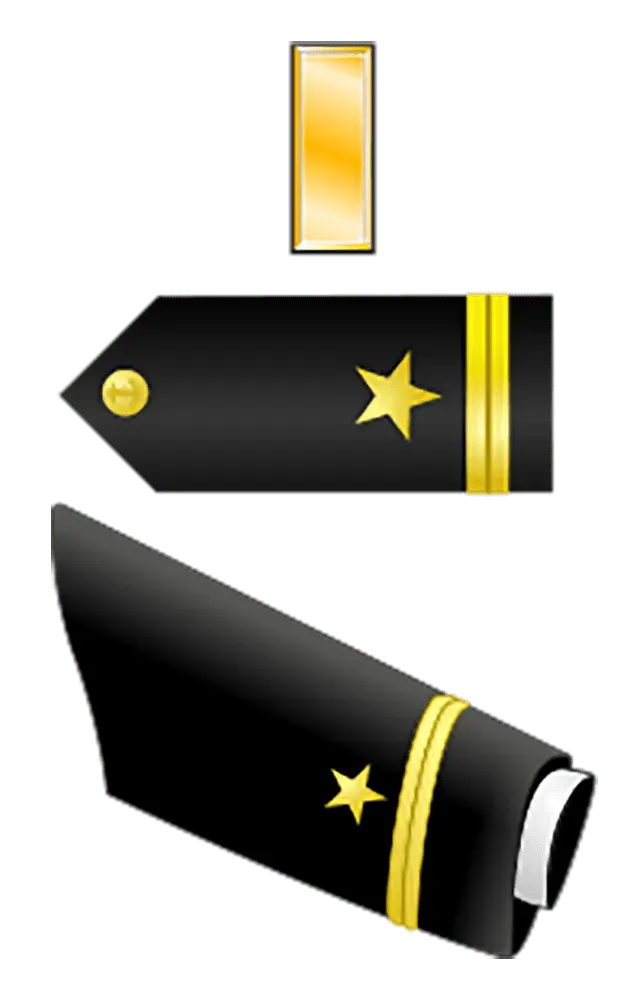 Ensign (ENS) | Second Lieutenant (2d Lt) | Second Lieutenant (2d Lt) |  Ensign (ENS) |
| O-2 |  First Lieutenant (1LT) | First Lieutenant (1stLt) | 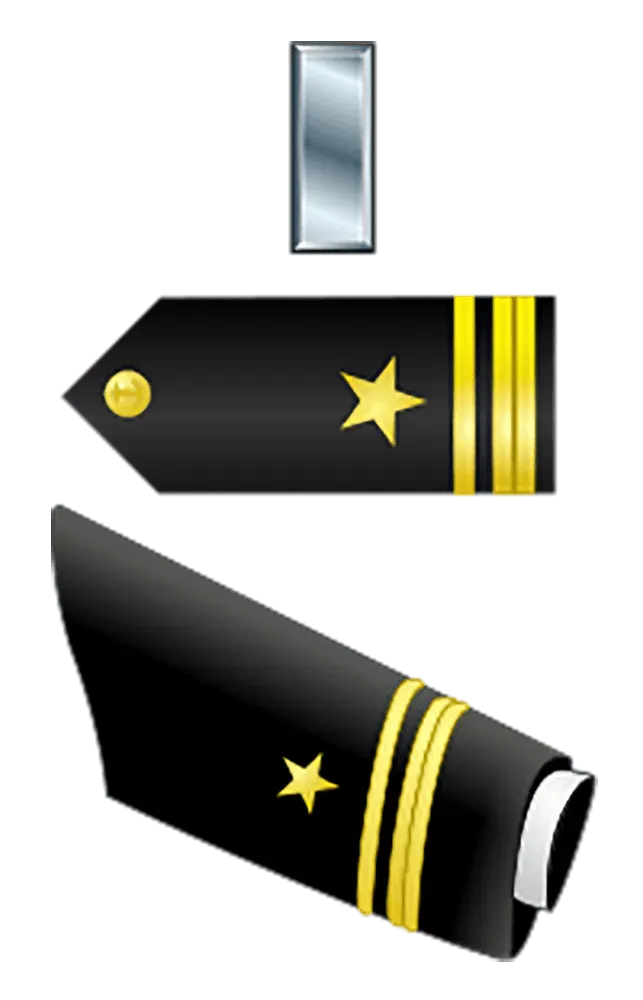 Lieutenant Junior Grade (LTJG) | First Lieutenant (1st Lt) | First Lieutenant (1st Lt) |  Lieutenant Junior Grade (LTJG) |
| O-3 |  Captain (CPT) | Captain (Capt) | 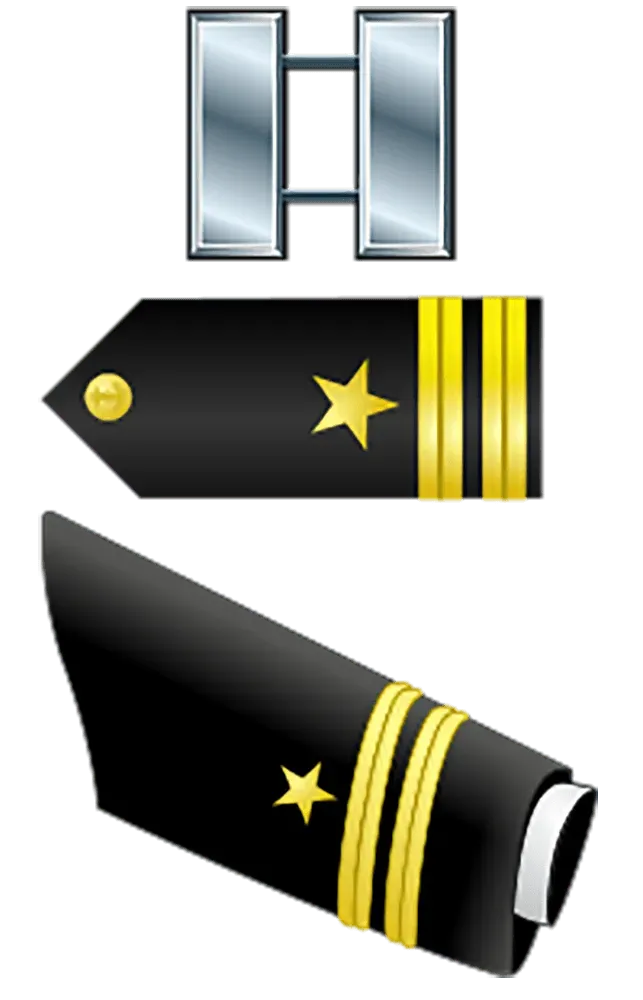 Lieutenant (LT) | Captain (Capt) | Captain (Capt) |  Lieutenant (LT) |
| O-4 |  Major (MAJ) | Major (Maj) | 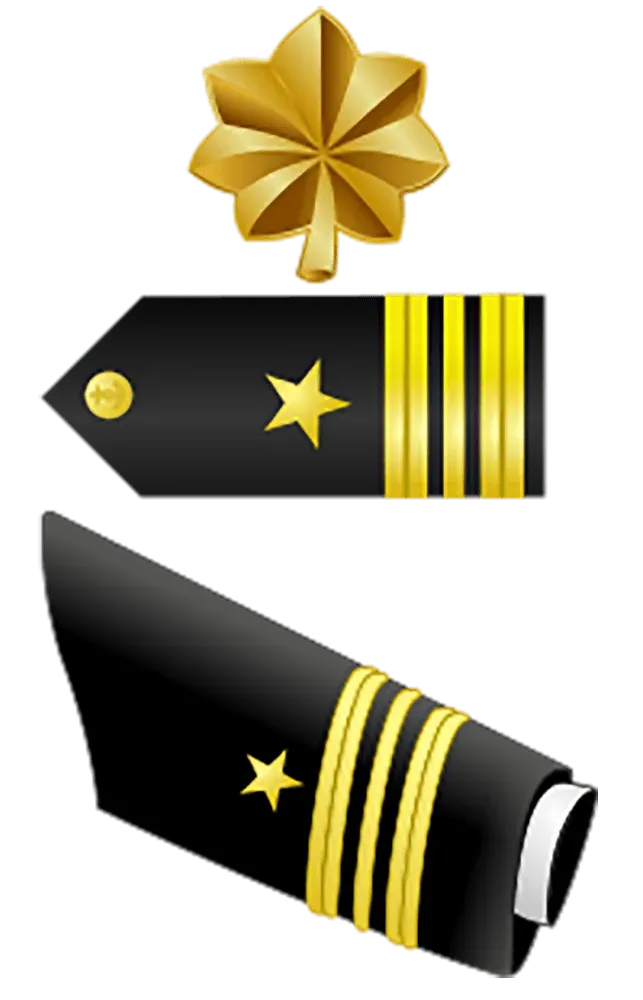 Lieutenant Commander (LCDR) | Major (Maj) | Major (Maj) |  Lieutenant Commander (LCDR) |
| O-5 |  Lieutenant Colonel (LTC) | Lieutenant Colonel (LtCol) | 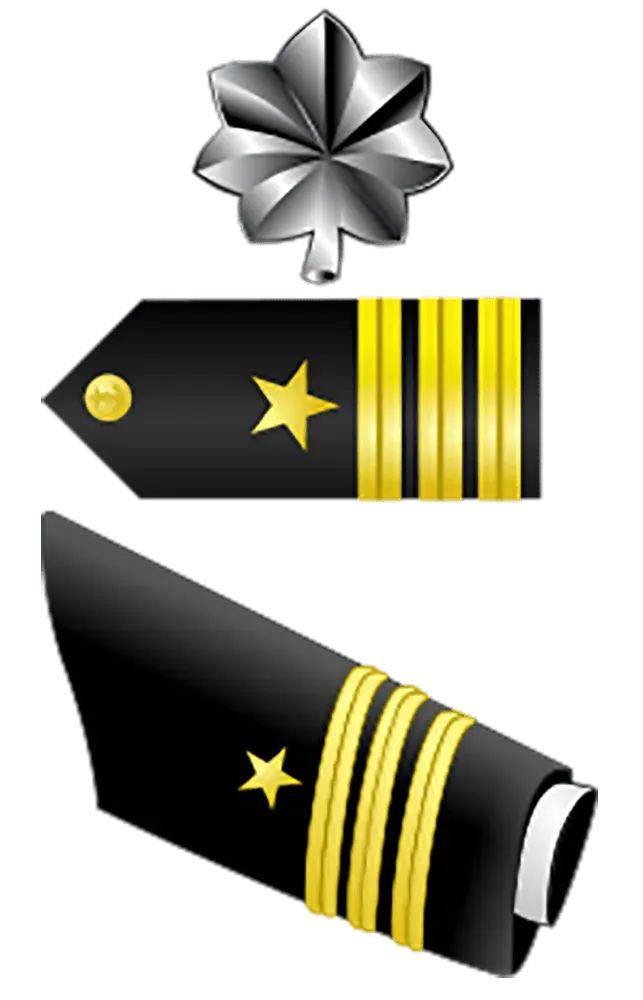 Commander (CDR) | Lieutenant Colonel (Lt Col) | Lieutenant Colonel (Lt Col) |  Commander (CDR) |
| O-6 |  Colonel (COL) | Colonel (Col) | 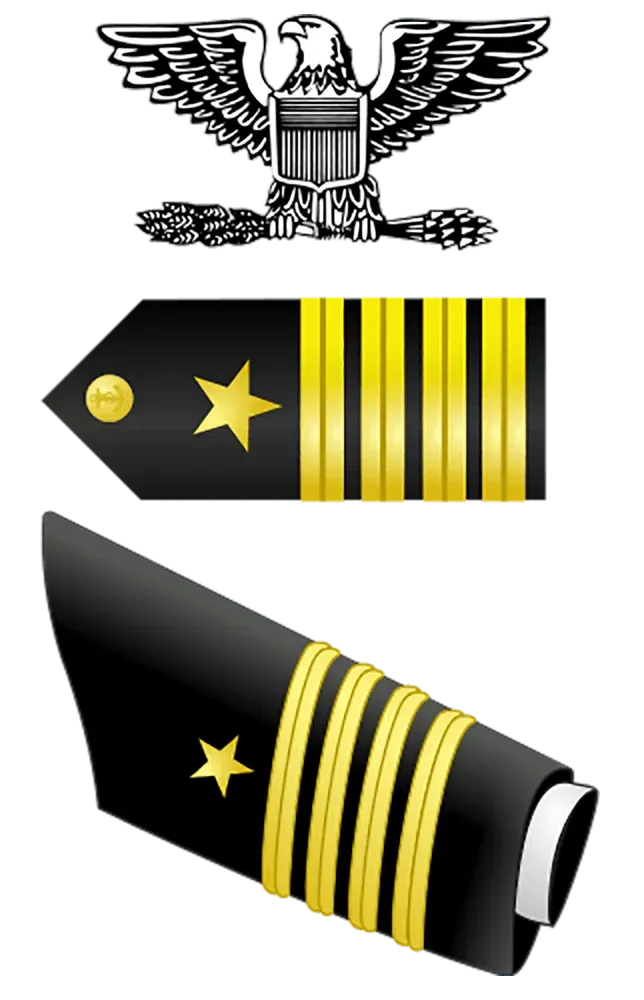 Captain (CAPT) | Colonel (Col) | Colonel (Col) |  Captain (CAPT) |
| O-7 |  Brigadier General (BG) | Brigadier General (BGen) | 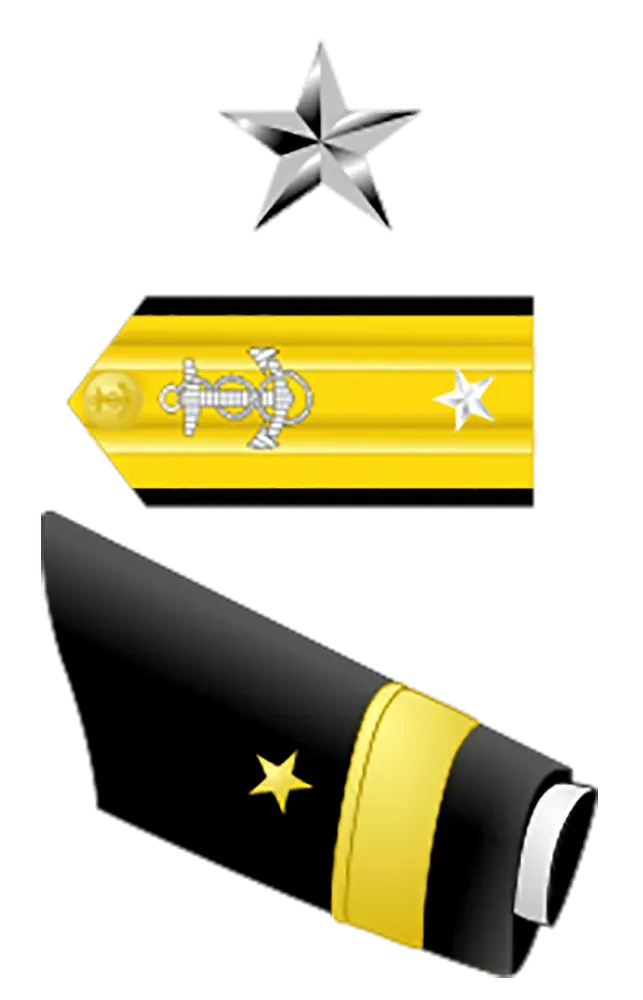 Rear Admiral Lower Half (RDML) | Brigadier General (Brig Gen) | Brigadier General (Brig Gen) |  Rear Admiral Lower Half (RDML) |
| O-8 |  Major General (MG) | Major General (MajGen) | 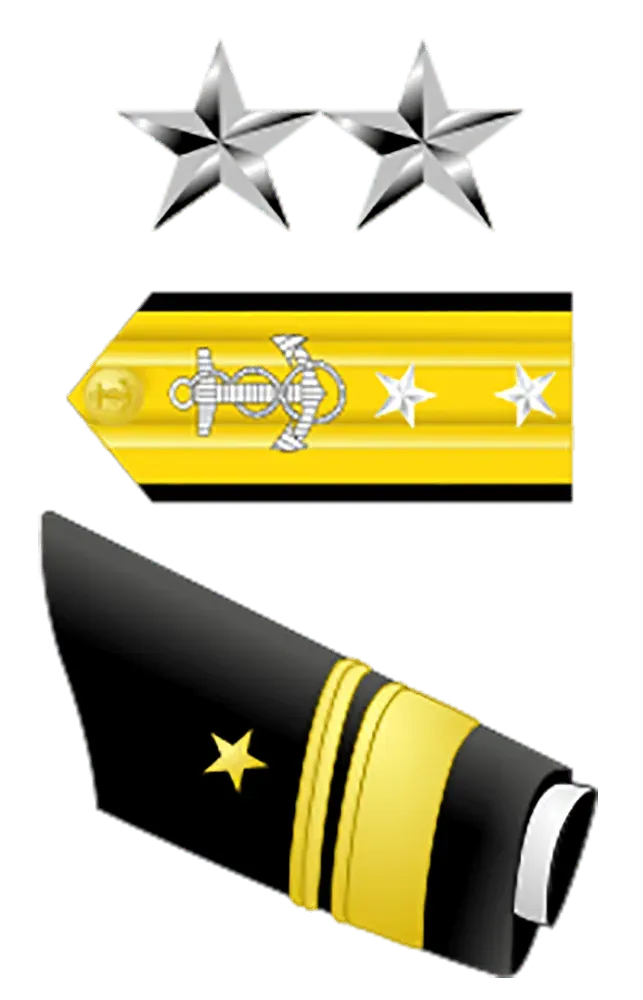 Rear Admiral Upper Half (RADM) | Major General (Maj Gen) | Major General (Maj Gen) |  Rear Admiral Upper Half (RADM) |
| O-9 |  Lieutenant General (LTG) | Lieutenant General (LtGen) | 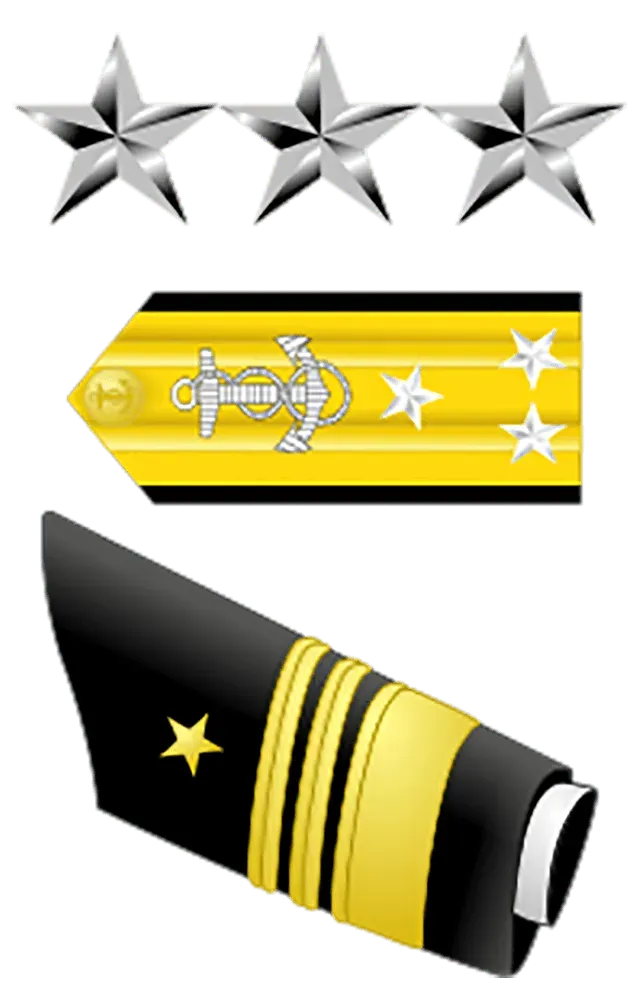 Vice Admiral (VADM) | Lieutenant General (Lt Gen) | Lieutenant General (Lt Gen) |  Vice Admiral (VADM) |
| O-10 |  General (GEN) | General (Gen) | 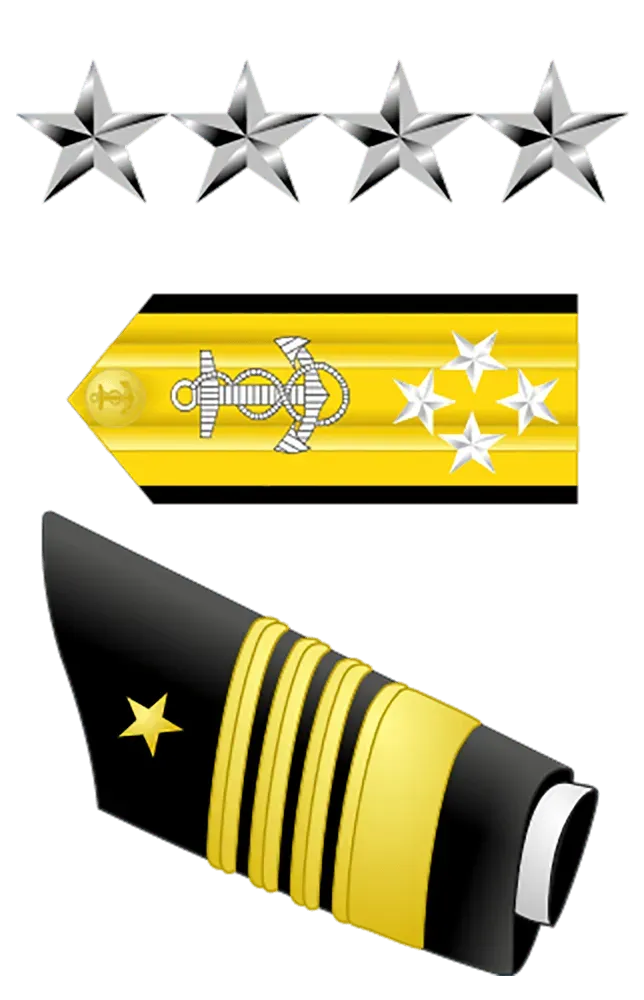 Admiral (ADM) | General (Gen) | General (Gen) |  Admiral (ADM) |
| O-11 |  General of the Army |  Fleet Admiral |  General of the Air Force | Fleet Admiral |
Rank insignia are worn on uniforms to identify a service member's rank at a glance. The shape, color, and placement of insignia communicate rank, category (enlisted, warrant, or officer), and seniority. While details vary by branch, a handful of core symbols appear across all six services.
Use a service member's rank and last name when speaking to or writing about them. In spoken conversation, many ranks are shortened. Officers are addressed as "Sir" or "Ma'am." Enlisted members, including senior enlisted leaders, are normally addressed by rank instead; many NCOs will politely correct a "Sir." Civilians are rarely held to military etiquette, and a respectful "Sir" or "Ma'am" is never an insult, but using the right title shows you know the culture.
Current basic pay tables by rank and years of service, plus housing and subsistence allowances.
View Pay ChartConvert between standard 12-hour time and military 24-hour time with our complete reference chart.
View Time ChartSearch military terms, acronyms, and slang across every branch of service.
Browse DictionarySearchable directory of 728 U.S. military installations worldwide, with location, branch, and mission details.
Browse BasesVerified military discounts from hundreds of brands across retail, travel, and entertainment.
Browse DealsRank structure, insignia, and pay grade data on this page is sourced directly from official U.S. Department of Defense and service-specific publications. All insignia are public domain U.S. government works.


The month of October is Breast Cancer Awareness Month. Did you know Breast Cancer affects 1 in 8 women in the U.S. every year? Throughout the year you’ll see people wear or display a pink ribbon. The pink ribbon is a universal symbol to raise awareness and bring women together in solidarity. It is recommended that women start receiving mammograms at age 40. However, if you have a family history of...

PCS orders can change your address in a matter of months, but they should not have to erase your career momentum.For military spouses, a portable career is more than a job labeled “remote.” The goal is to find work built around skills that employers need in many places, credentials you can transfer or maintain, an employer that can keep you on through a move, or a client base that can travel with ...

If you have been a military spouse for even five minutes, you know the unwritten rule of deployments, training, and military schools. The moment your service member leaves the house and steps foot on that plane or the communication goes dark, the universe decides to test you to your limits until you’re on your knees praying for a better day to come! This won’t happen on a nice quiet Sunday afterno...